Shaping
The first faces most systems shipped
A handful of typefaces did the heavy lifting for Indic rendering across a decade of deployments, and their spacing decisions still propagate through documents today.
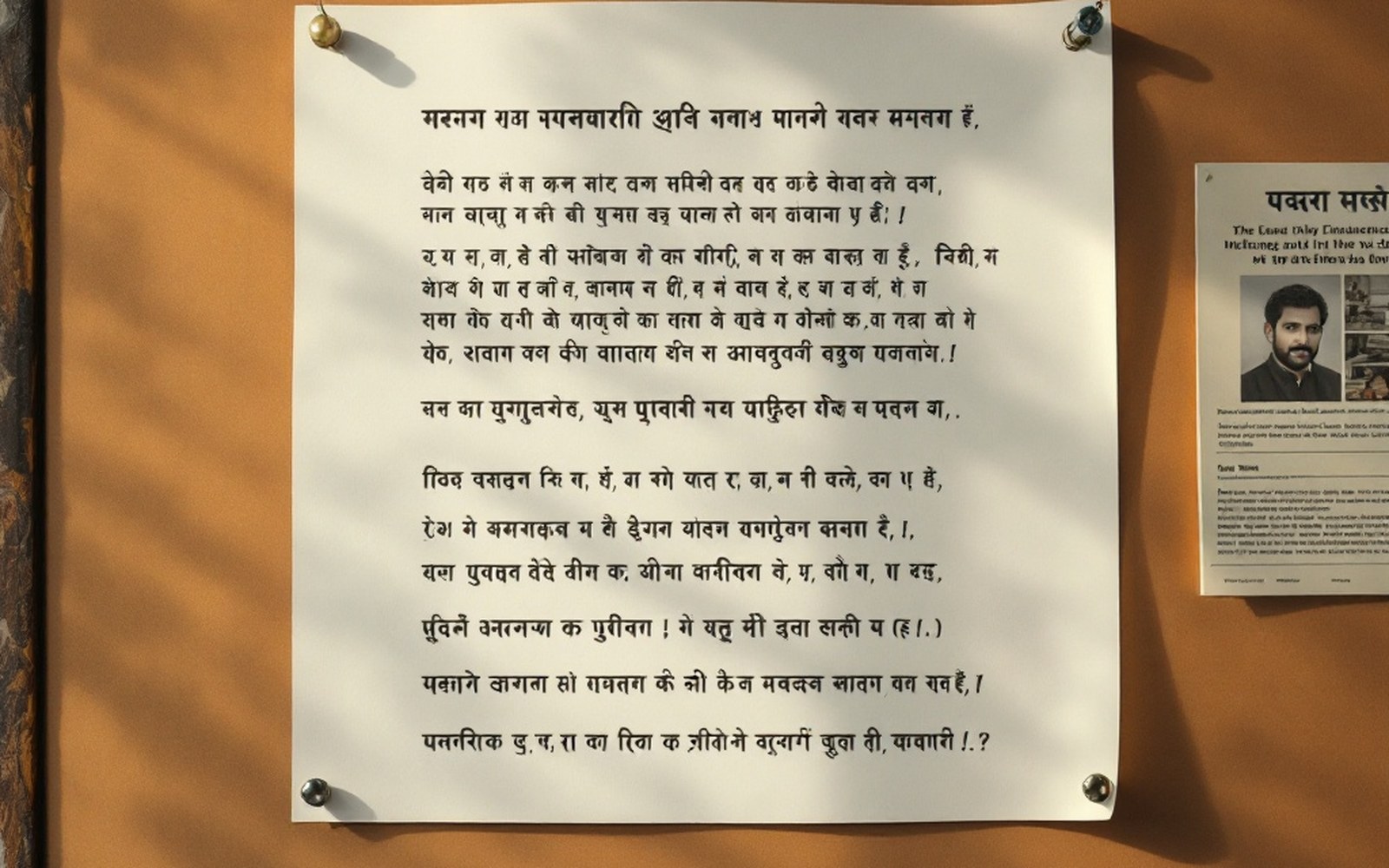
The fonts that held the line
When C-DAC and later state procurement officers needed to ship Indic text on Linux desktops, the choice of typeface was rarely aesthetic. It was logistical: which fonts had the OpenType GSUB and GPOS tables necessary to handle conjuncts and vowel reordering, and which were licensed for government distribution? The answer, consistently, was a short list.
Lohit was the font that appeared most often in those purchase orders. Originally developed by Red Hat for Fedora and later maintained under a broad open licence, the Lohit family covered Devanagari, Tamil, Telugu, Kannada, Malayalam and several other scripts derived from the same Brahmi lineage that ISCII had mapped onto a single eight-bit table. State deployments in Kerala and Tamil Nadu specified Lohit by name in technical annexures during the mid-2000s, partly because its licence was unambiguous and partly because it had already been through the shaping engine testing that proprietary faces had not.
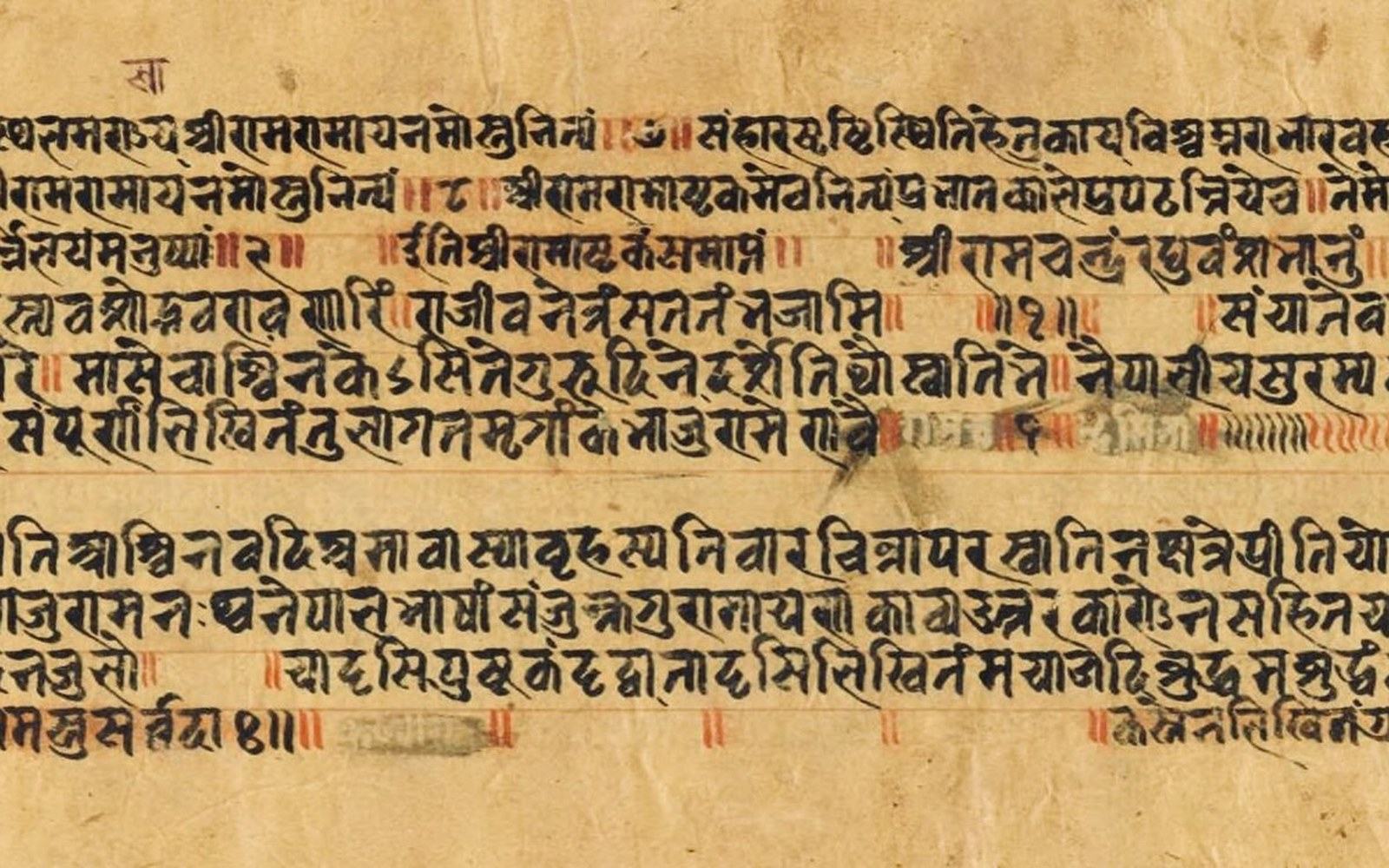
Rachana, developed in Kerala for Malayalam, occupied a different position. It was designed to handle the full set of traditional Malayalam conjuncts — several hundred glyphs rather than the reduced orthography that simplified fonts used — and it became the reference face for high-fidelity Malayalam rendering. The distinction mattered because Malayalam's conjunct system is unusually dense, and a font that omitted traditional forms produced text that educated readers found incorrect, not merely inelegant.
For Devanagari, the Gargi family and later Sahadeva and Nakula (released by the Sanskrit Documents project) extended coverage into territory that earlier fonts left blank. The metrics these fonts established — advance widths, matra positioning, the vertical space reserved above the head line — became de facto standards simply because so many documents were set in them.
Chronology
- Mid-2000sState deployments in Kerala and Tamil Nadu specify Lohit in technical annexures
- 2006 eraC-DAC GIST fonts circulating in government procurement contexts
- OngoingNoto and revised Lohit releases supersede first-generation faces in upstream distributions
The Pune-based C-DAC contributed its own faces through the GIST project, though these circulated primarily in government contexts and were less visible in upstream distributions. Unicode Consortium documentation on Indic rendering referenced several of these early implementations when describing expected shaping behaviour, and the Lohit fonts repository on Pagure preserves the revision history that shows how glyph outlines were adjusted as OpenType shaping rules were tightened.
What persists is not the fonts themselves — many have been superseded by Noto, by newer Lohit releases, by script-specific revivals — but the spacing and proportional decisions baked into early documents. A PDF generated in 2006 on a Kerala school machine carries those metrics forward every time it is opened, regardless of what face the viewer's system substitutes.
Rachana, developed in Kerala for Malayalam, occupied a different position.

Key faces and their roles
- LohitMulti-script family, open licence, the default in most state Linux deployments
- RachanaMalayalam-specific, full traditional conjunct set, reference face for high-fidelity rendering
- GargiEarly Devanagari face, metrics widely propagated through documents of the period
- GIST fontsC-DAC output, government-context distribution, less visible upstream