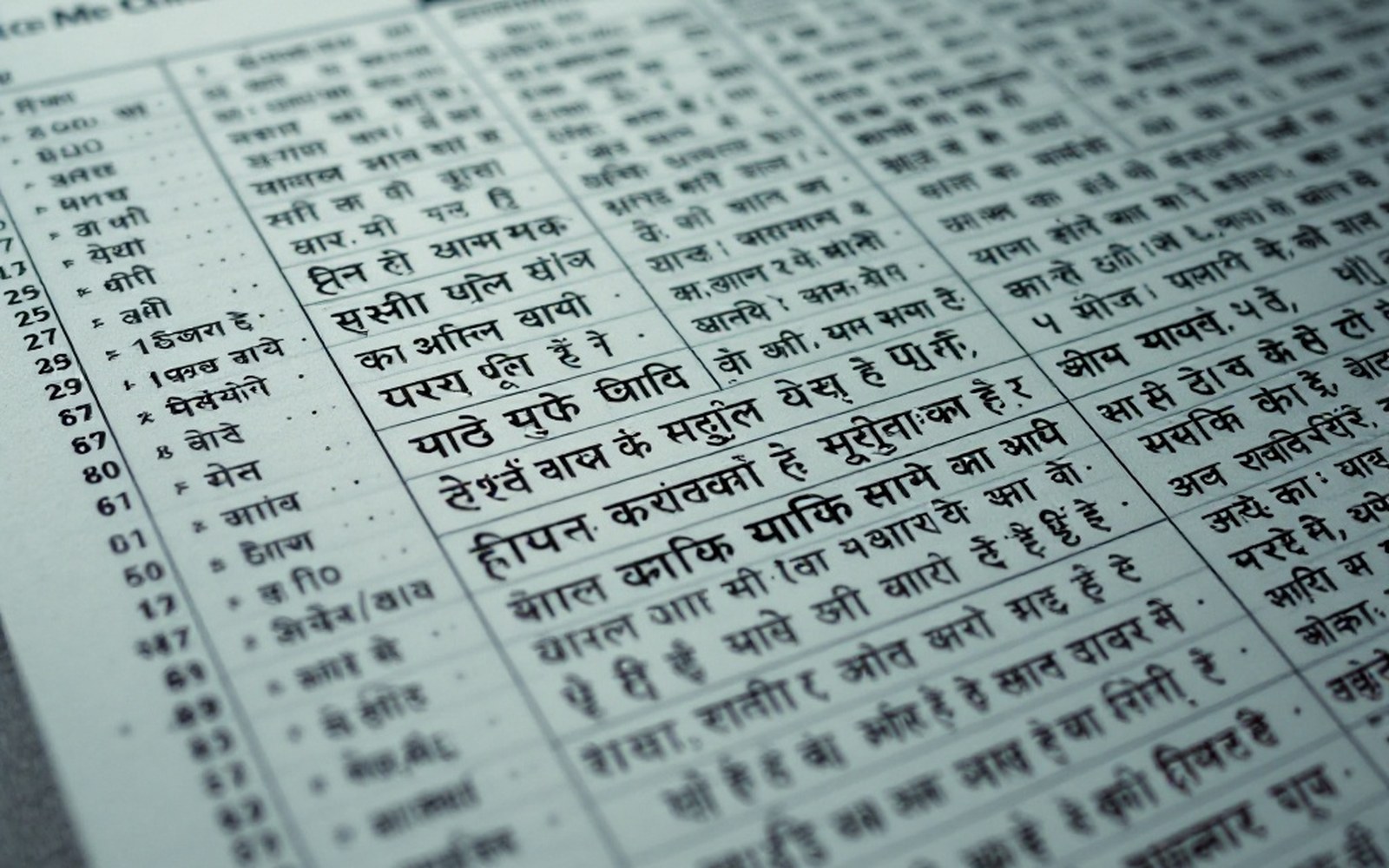
Block startU+0900
ilug-cal.orgLinux in India
Code Points · The lead piece
One code point, and then thirty years of arguing about what to draw
Encoding a character means giving it a number and publishing the table. Agreeing what shape it takes, in every context, in every font, is the part that took decades — and it was settled in fonts, shaping engines and procurement documents rather than in committee.
A chart page shows representative glyphs. The standard’s own note says they are illustrative, not normative.
The Unicode Standard · Devanagari code chartSupporters
Organisations where our research into this history lands.













Section 4 · Procurement
Then somebody had to write it into a purchase order.
Procurement is where a standard becomes a deployment. Kerala and Tamil Nadu specified rendering and language support in documents that are public, and the machines followed.
Three rows of the Devanagari block, sixteen to a row, as the standard prints it
The block →ऐ0910
ऑ0911
ऒ0912
ओ0913
औ0914
क0915
ख0916
ग0917
घ0918
ङ0919
च091A
छ091B
ज091C
झ091D
ञ091E
ट091F
ठ0920
ड0921
ढ0922
ण0923
त0924
थ0925
द0926
ध0927
न0928
ऩ0929
प092A
फ092B
ब092C
भ092D
म092E
य092F
र0930
ऱ0931
ल0932
ळ0933
ऴ0934
व0935
श0936
ष0937
स0938
ह0939
◌ऺ093A
◌ऻ093B
◌़093C
ऽ093D
◌ा093E
◌ि093F
093F is the short i. It is keyed after the consonant it belongs to and drawn to the left of it. A system that draws characters in the order they arrive gets this wrong in every application at once.
0915 is ka. Put it beside 0937 with a virama between them and the two collapse into a conjunct that exists in the font but not in the stored text.
The Unicode Standard · Devanagari block chart
Also worth the time
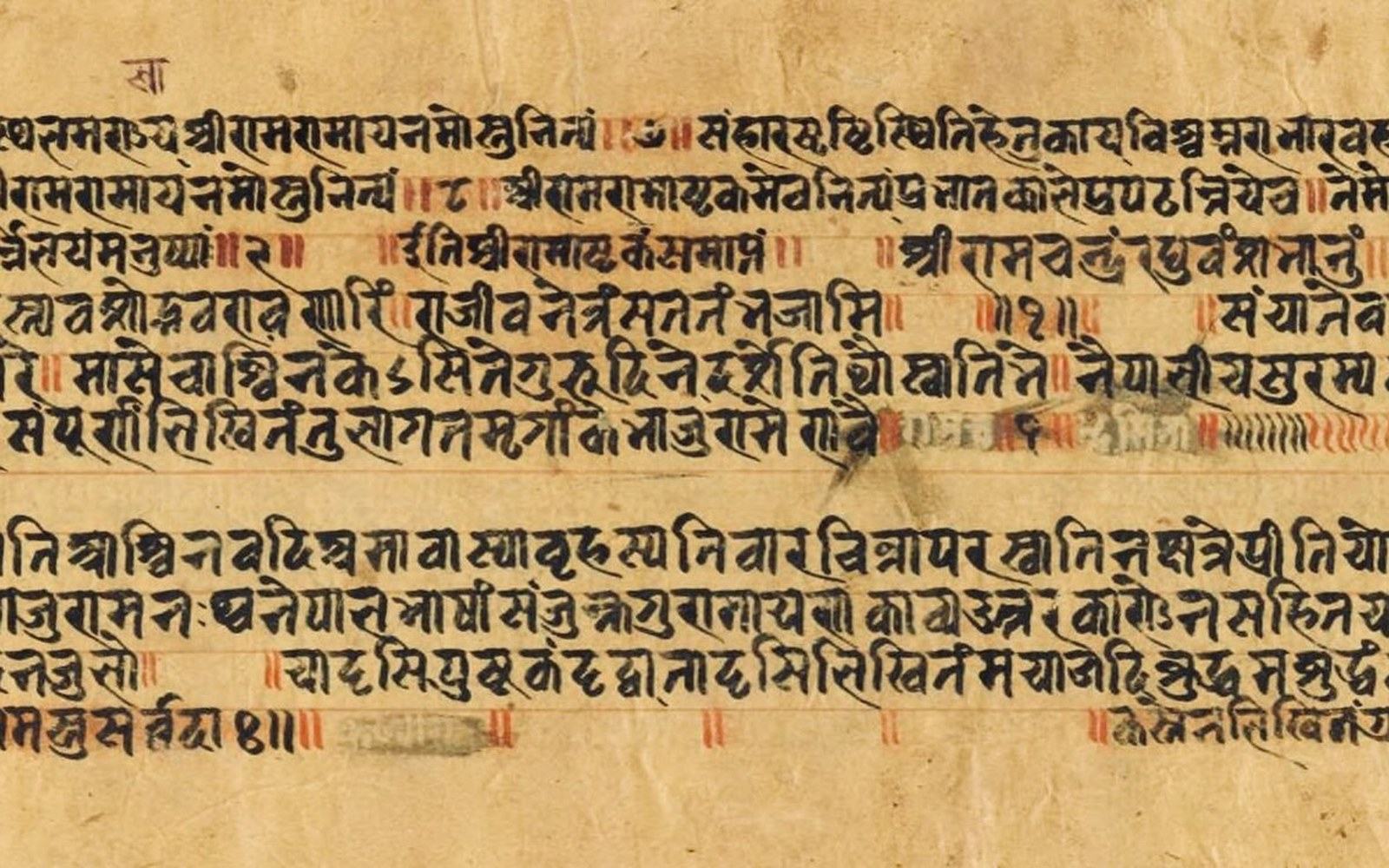 Shaping
The head-line problem, and the layer built to solve it
The connecting bar above Devanagari means glyphs cannot simply be placed side by side, which is why a shaping engine exists at all.
Read → Standards
ISCII put ten Brahmi-derived scripts on one code table
A single eight-bit table for ten scripts was an elegant answer that Unicode then had to reconcile with everything else.
Read →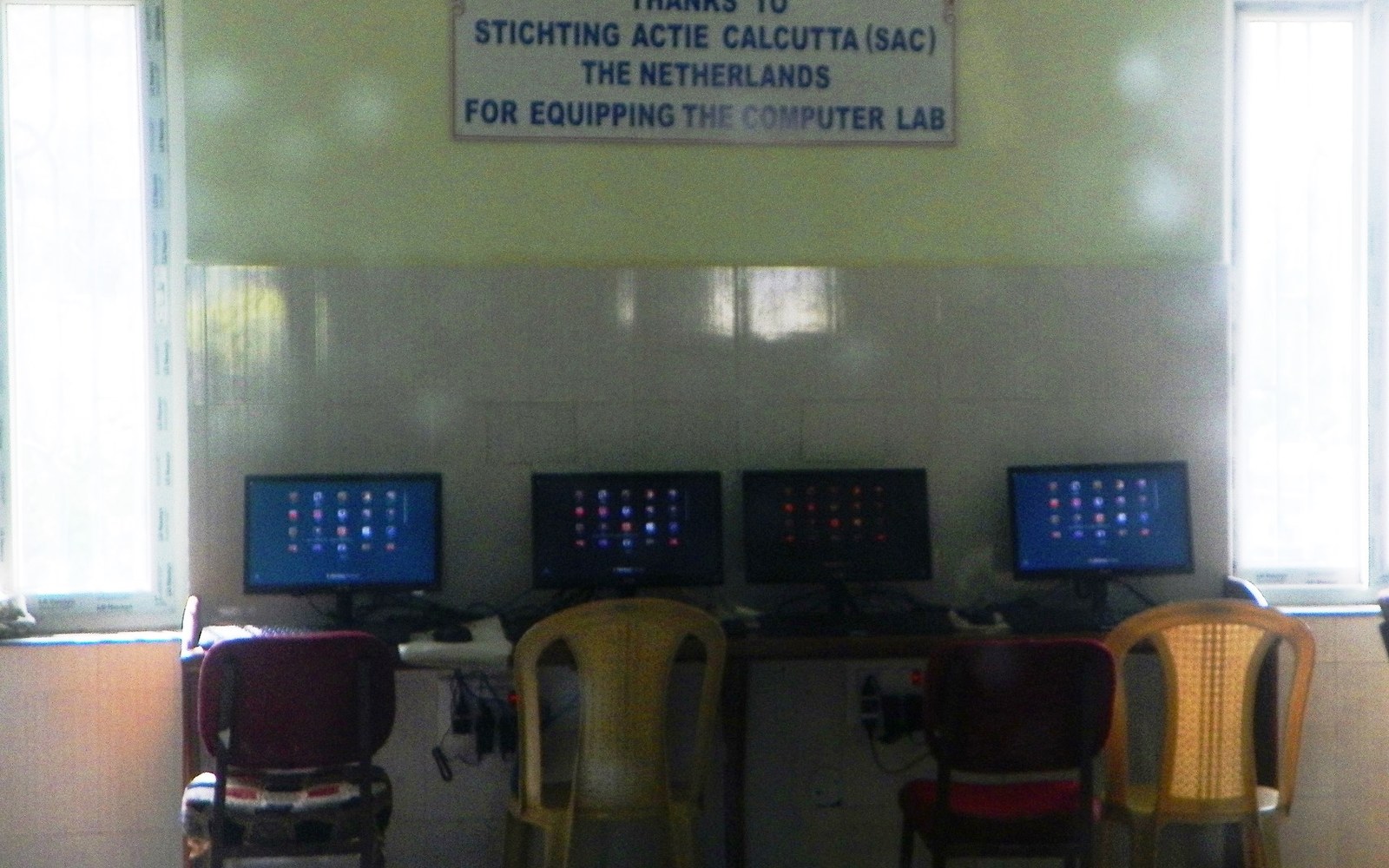 Procurement
The school deployments
Putting one distribution in front of millions of students is a procurement decision with a measurable footprint.
Read →None of this was an argument about desktops. It was an argument about standards, and the standards won.
Four sections, thirteen pieces
Where to go next
01Code PointsOne code point, then thirty yearsWhat a character actually is.three pieces →02ShapingThe head-line problem, and the layer built to solve itShaping, conjuncts and why rendering is hard.three pieces →03StandardsTen scripts, one tableISCII, Unicode and the standards fight.three pieces →04ProcurementThen somebody had to write it into a purchase orderProcurement, schools and the state.four pieces →
Everything, laid out properly, in the archiveEvery title, every section, on one page.